
For several years, the world of Pokémon cards has experienced an unprecedented wave of popularity. But this rise in power has also given rise to a phenomenon that is ruining collectors' lives: Pokémon scalpers. Between endless queues, shelves emptied in a few minutes, and skyrocketing prices on the secondary market, this system creates general frustration for fans who simply want to enjoy their passion.
Who are Pokémon scalpers really?
In the TCG world, a scalper is neither a collector nor an investor. They are someone who buys products in large quantities as soon as they are released with the sole purpose of reselling them immediately at a much higher price. They exploit the artificial scarcity they create to inflate prices and maximize their profits.
- Collector: buys out of passion, to complete their series or enrich their collection.
- Investor: buys occasionally, keeps products sealed, and resells later.
- Scalper: buys everything, creates scarcity, and resells immediately at a high price.
Why have Pokémon scalpers become a problem?
The combination of high demand and low stock has created unprecedented scenes: races in aisles, riots, disputes, shops raided in minutes... Pokémon scalpers even use automated bots to snatch pre-orders as soon as they are released. Meanwhile, players and collectors are left with nothing.
A direct impact on enthusiasts
For those who have been opening boosters for a long time, the emergence of Pokémon scalpers marks a difficult turning point. Not only are prices skyrocketing (boosters sold for €5 resold for €15, tri-packs doubled, boxes tripled), but the simple pleasure of finding a product on the shelf disappears. The secondary market becomes the only option... and prices soar.
Why is supply no longer keeping up?
Part of the problem comes from distribution. Some regions are undersupplied, while others see stock massively distributed to supermarkets rather than specialized stores. The result: a perfect breeding ground for Pokémon scalpers who anticipate shortages and take advantage of them.
How to fight against Pokémon scalpers?

Do not buy at inflated prices
The first weapon is simple: never encourage Pokémon scalpers. The longer their stock sits, the more they will be forced to lower their prices. If no one feeds the market, it collapses. The problem? Some buyers give in to frustration, which keeps the system alive.
Promote more reliable alternatives
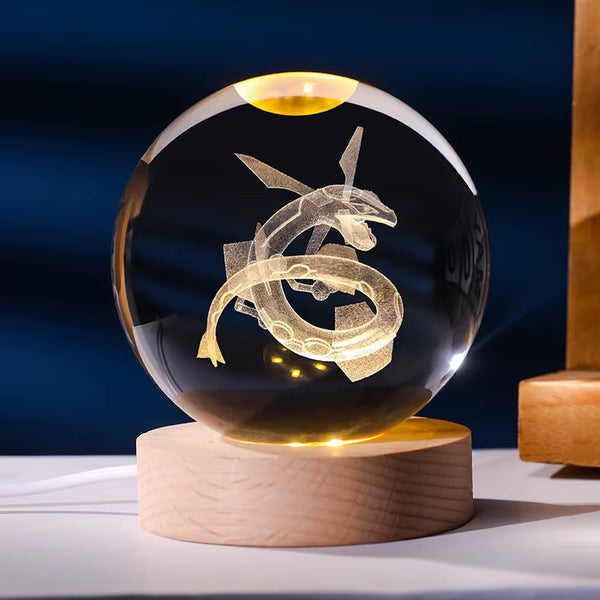
Many enthusiasts are turning to more accessible derivative products, without the risk of scams or scalping. This is why stores like Pokeled offer alternatives related to the Pokémon universe without relying on speculation:
-
Luminous crystal Pokéballs
Turn to import
Faced with French shortages, some are turning to Japanese or Korean versions. They remain official, often more affordable, with an interesting drop rate and more regular availability. A way to continue enjoying the hobby without going through Pokémon scalpers.
What future for the market in the face of Pokémon scalpers?
The situation can evolve if three factors change: a real increase in stock, better regulation of in-store purchases, and increased support for specialized stores. Without this, Pokémon scalpers will continue to profit from an unbalanced market. But the community is beginning to mobilize, and industry players seem aware of the problems.
The role of distributors
Players hope for a massive return of products to stores and strict limitations in supermarkets. The wider the availability, the less impact Pokémon scalpers will have. In parallel, supporting small local stores becomes vital: they are the ones who keep the game alive through events and tournaments.
A word for collectors
The best way to protect this hobby is to strengthen the community, open boosters together, support reliable brands, and resist the temptation to buy at inflated prices. It is together that we can reduce the influence of Pokémon scalpers and preserve what makes the TCG magical: the joy of pulling cards, discovery, playing, and shared passion.